





When we see a sparkling stone, it’s easy to assume it must be a gemstone. But in reality, not every shiny stone qualifies as one. The world of gemstones is defined by specific natural, scientific, and aesthetic criteria. Understanding what truly makes a stone a gemstone helps buyers appreciate authenticity, value, and craftsmanship — and shop with confidence.
What Is a Gemstone?
A gemstone is a naturally occurring mineral (or organic material) that is rare, durable, and beautiful enough to be cut and polished for use in jewelry. Most gemstones form deep within the earth over millions of years, gaining their color, clarity, and brilliance through natural processes.
Why Do Some Stones Sparkle?
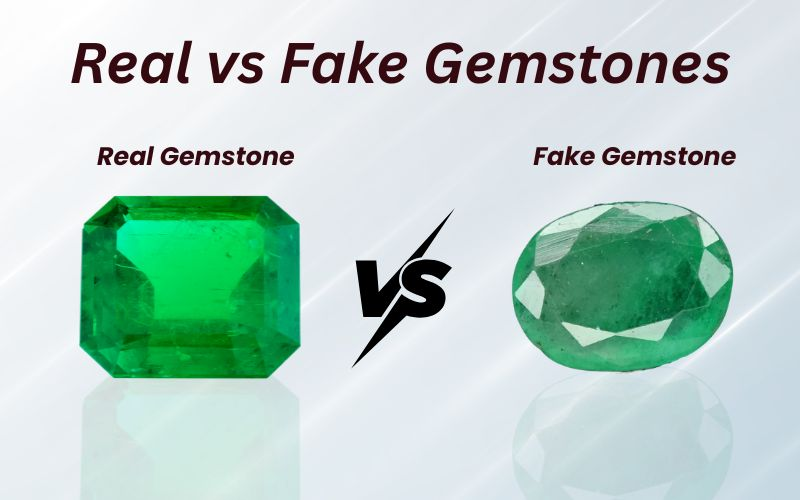
Sparkle comes from the way light interacts with a stone’s surface and internal structure. When a stone is cut with precision, light reflects and refracts, creating brilliance. However, sparkle alone does not determine whether a stone is a gemstone — glass, crystals, and even synthetic materials can shine beautifully without being true gemstones.
Gemstones vs. Look-Alike Stones
Many sparkling stones are often mistaken for gemstones:
- Glass and crystal may sparkle but lack natural origin and durability.
- Synthetic stones are created in laboratories and may visually resemble natural gems.
- Decorative stones are polished for appearance but lack rarity or lasting value.
What separates gemstones is their natural formation, durability, and long-term value.
What Qualifies a Stone as a Gemstone?
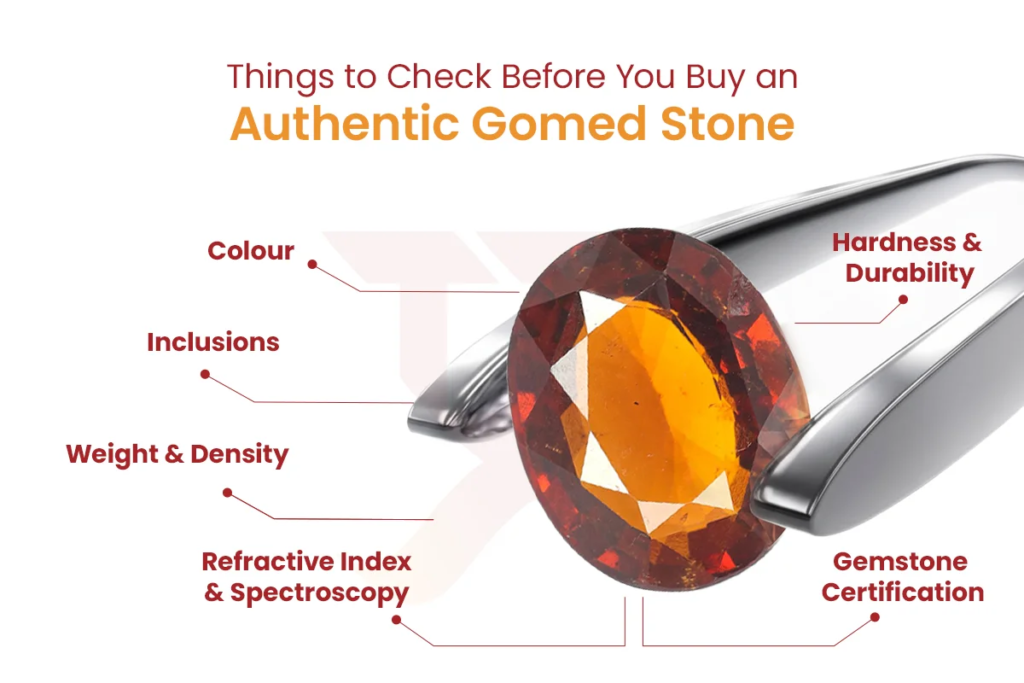
To be considered a gemstone, a stone typically meets these criteria:
- Natural origin: Formed by nature, not manufactured
- Durability: Strong enough for jewelry use
- Beauty: Attractive color, clarity, or optical effects
- Rarity: Limited availability in nature
These qualities ensure gemstones are not just beautiful, but also meaningful and valuable.
Precious, Semi-Precious & Beyond
Traditionally, diamonds, rubies, sapphires, and emeralds were called “precious,” while others were labeled “semi-precious.” Today, experts focus less on these labels and more on quality, rarity, and natural authenticity — recognizing that many so-called semi-precious stones can be just as valuable and stunning.
Why This Knowledge Matters When Buying Jewelry
Understanding what qualifies as a gemstone helps buyers make informed decisions. It protects against confusion, ensures authenticity, and allows you to appreciate the craftsmanship and natural beauty behind each piece of jewelry.
Conclusion
Not all sparkling stones are gemstones. True gemstones are rare gifts from nature, shaped over time and perfected through craftsmanship. By knowing the difference, you gain a deeper appreciation for genuine gemstones and the timeless luxury they bring to fine jewelry. https://www.instagram.com/gemcastle.in/ https://thegemcastle.com/ https://www.tgl-online.com/
